
Flexible or fragmented? The case for a UK AI Act

Earlier this year, the government declared that it had delivered 38 of the 50 recommendations in its AI Opportunities Action Plan. Yet there is still no dedicated AI Bill before Parliament. Katia Leca examines Britain’s flexible regulatory model and the growing case in favour of a common statutory foundation.
Pitch Economics over alignment: Navigating Britain’s interest-first foreign policy

The old London playbook is officially obsolete. Driven by tight domestic budgets, cost-of-living pressures, and shifting global trust, Westminster has traded moralistic, values-first internationalism for a tough, transactional pragmatism.
To secure trade deals, attract investment, or build strategic influence today, our Account Manager Tom Bromwich argues that those vying for it should stop appealing to Whitehall’s altruism and start solving its domestic economic puzzle. From framing aid as mutual self-interest to leveraging soft power and reliability, here is how diplomats can adapt to Britain’s pragmatic turn and move from asking for favours to securing a seat at the table.
Let’s have a conversation about renewables, storage and the energy transition

In this blog, Gabriella Franklin debunks five common myths about renewables, storage and net zero.
Is podcasting and AI the new leafleting and advertising?

From the Anti-Corn Law League to AI: how technology keeps reshaping political campaigning in Britain.
COP30: A fragile consensus in a fractured geopolitical climate
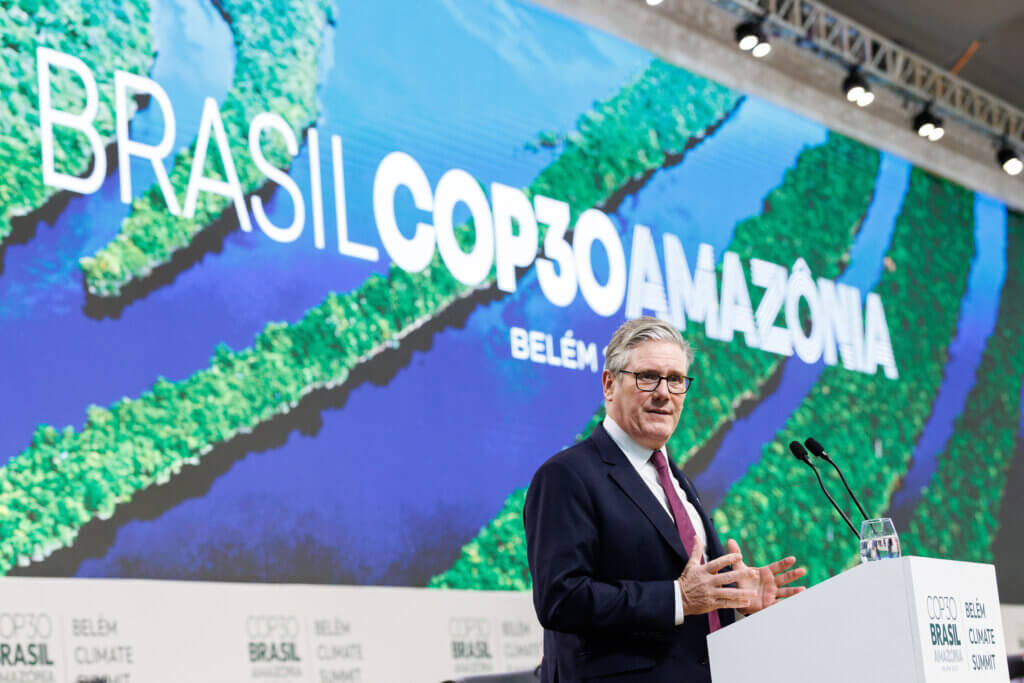
COP30 in Belém, Brazil, marked 10 years since the Paris Agreement and took place at a time when the world’s collective climate ambition is under increasing scrutiny.
Digital solutions for providing self-sovereignty to stateless populations through blockchain technology

Millions of people live without citizenship or proof of ID, an issue which increases risk of exploitation. Blockchain technology, and decoupling identity from citizenship, is one way in which this could be addressed.
Not just for linguists: Why Britain needs broader China literacy
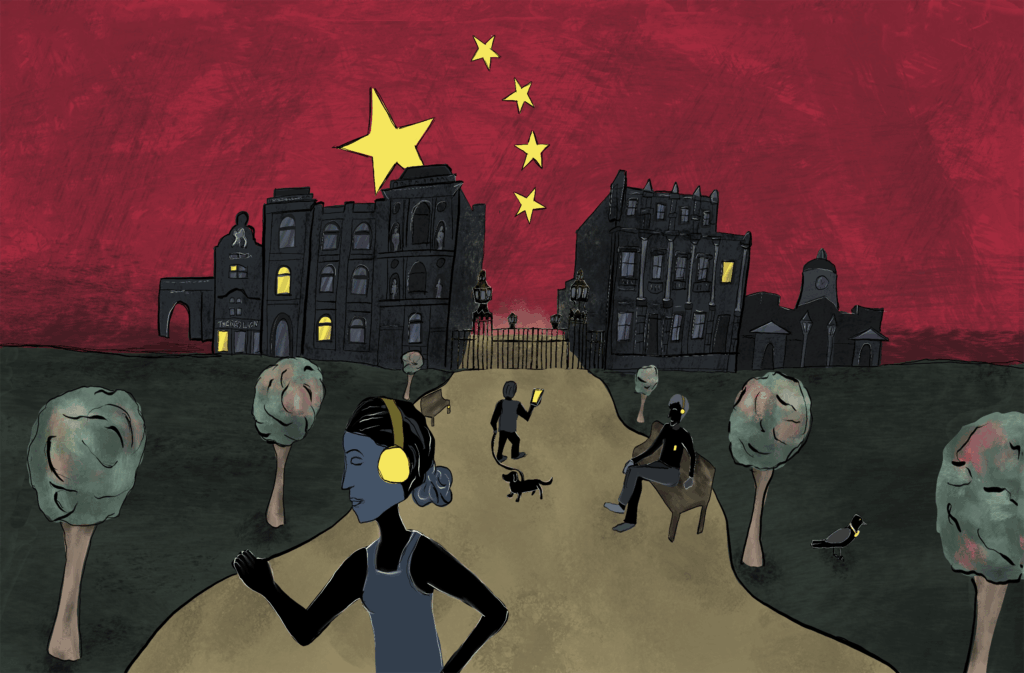
China’s economic and political systems remain a mystery to many in Whitehall. How can Britain educate its staff, given rising fears of co-optation and interference?
Is Trump making globalisation popular again?

Trump’s tariff-driven trade strategy is triggering global shifts — fuelling inflation at home while encouraging new trade alliances abroad.
The hidden link between CANZUK and UK housing affordability

Ted Cussans explores how CANZUK could impact housing affordability, linking global trade policy with local urban life across four Anglosphere nations.
Mark Carney: How the unelected economist took Canada’s highest office

Mark Carney’s unexpected rise to Prime Minister amid escalating trade tensions with allies sets the stage for a pivotal upcoming election.