This month marks a decade since the historic Brexit referendum, when a margin of just 3.8 percentage points determined the UK’s future relationship with the European Union. At the time, many assumed that once the UK formally left the EU in 2020, the issue would gradually fade from political debate. That has not been the case.
While arguments over whether Brexit was the right decision may continue for further decades, the EU remains a significant political issue and a subject through which parties continue to engage, persuade and divide voters. The question, then, is where does that leave us now?
Recent political developments suggest that, despite efforts to redefine the relationship, the UK and EU remain closely connected. Brexit may have altered the constitutional relationship, but geography, trade and shared interests continue to pull both sides together – after all, the EU accounts for 41% of all UK exports.
Most recently, the UK agreed to rejoin the Erasmus+ programme, once again allowing young people to study, train and gain experience abroad through participating countries – some may say mimicking offerings from the single market.
The UK-EU “reset” agenda has become a central feature of the current government’s approach, with discussions focusing on areas such as food and agricultural trade, emissions trading and youth mobility. This is particularly notable as the UK and EU are developing a new sanitary and phytosanitary (SPS) agreement to reduce business and trade friction.
The ‘reset’ emphasis is not on reversing Brexit, but on finding ways to make the post-Brexit settlement work more effectively through new agreements without joining the European Economic Area (EEA) or Customs Union. It should be noted, however, that there are limits to how far this cooperation can go without EU membership, as the EU is also likely to maintain its own red lines.
Then there is immigration, arguably the most politically sensitive aspect of the Brexit debate. “Taking back control” of Britain’s borders was a defining message of the Leave campaign, and migration remains one of the most contested issues in British politics today. More recently, the slogan “Stop the Boats” has become shorthand for efforts to tackle small boat crossings in the Channel, an issue triggered by the UK’s departure from the EU and loss of the returns agreement. Cooperation with EU partners, particularly France, has continued, with an additional £16.2 million allocated to help reduce small boat crossings. Nevertheless, irregular migration remains a persistent challenge across Europe, with no EU member state having identified a definitive solution.
Brexit undoubtedly sparked instability among political leadership, with the last six Prime Ministers leaving office without completing a full term. While not all departures can solely be attributed to Brexit, a new resident in Andy Burnham MP looks set to be the next occupant of Number 10.
In line with such political turbulence, here’s a short guide to where the main parties stand on the EU today.
Labour
While the Labour Party is undergoing significant internal and political shifts, its position on the EU is expected to remain broadly consistent in the short term.
Andy Burnham, likely the next Labour leader and Prime Minister, has previously stated that he would like to see the UK return to the EU within his lifetime. However, he has also made clear that rejoining would not be an objective of his first term in office.
In Labour’s 2024 manifesto, the party’s stance included:
- A desire to ‘reset’ the relationship between the EU and UK – reducing trade friction and notably exemplified with the developing SPS agreement
- Redlines stating their reset would not equate returning to the single market, customs union or freedom of movement
Should Burnham or another pro-European figure eventually lead the party, the direction of travel could become more ambitious. While full EU membership remains politically distant, closer economic integration through reconsideration of the single market or customs union, may become part of the conversation if public opinion and party consensus shifts together.
While this reset has generated optimism among Labour Party members, it is noteworthy that Labour has embraced certain post-Brexit freedoms that appeal to its electorate. One example is the imposition of a 20% VAT on private school fees, introduced by the government from the beginning of 2025. This policy would not have been possible under EU VAT rules, which require education services to be exempt from the tax. Consequently, if Labour were to advocate for rejoining the EU, it could face a policy inconsistency, as EU membership would constrain its ability to maintain measures on such policies.
Reform UK
Reform UK’s anti-EU policy comes as no shock considering leader Nigel Farage was arguably the biggest advocate for Brexit.
In recent times, Reform have pledged their government would:
- Leave the ECHR
- Not return to the EU
- Not return to the single market or customs union
- Not rejoin of the European Economic Area (EEA)
For business this is largely about perspective. An offering for reduced compliance for some businesses and deregulation, thus allowing quicker decision-making, makes sense on the surface. However, with the UK and EU remaining close trading partners, it could discourage investment from firms that use the UK as a gateway to the EU market.
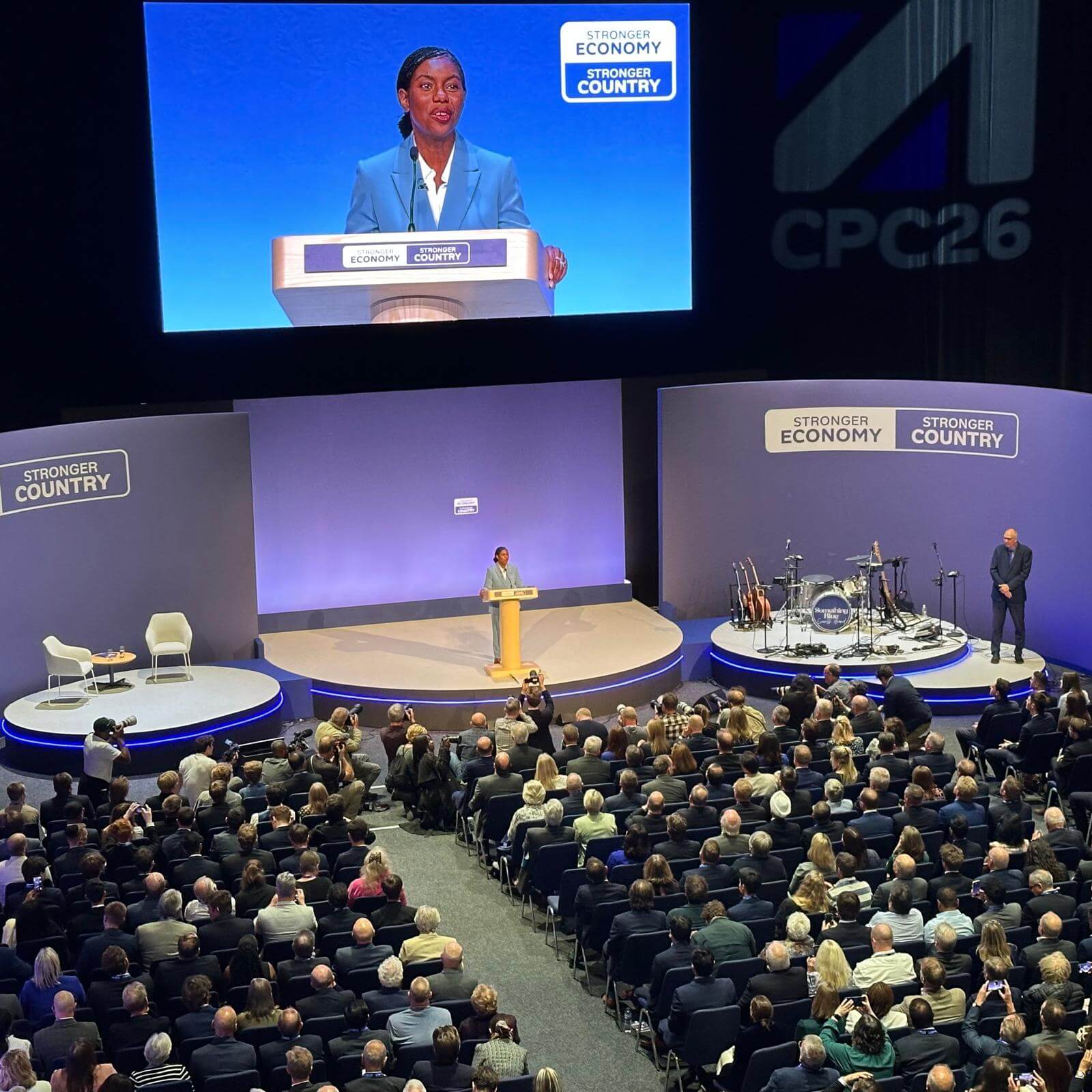
Conservatives
As the Conservatives led the withdrawal process, the referendum triggered by Cameron and exit guided by Johnson, it is no surprise that their policy remains to review lingering ties with the EU.
Within a Conservative government, the party has asserted that:
- The UK should remain outside political institutions – such as the ECHR and Court of Justice of the European Union (CJEU)
- The UK should not re-enter the EU single market or customs union
- Freedom of movement should not be restored
For businesses, this approach aims to preserve the mission of Brexit, including regulatory flexibility and the ability to negotiate independent trade agreements, while reducing unnecessary trade barriers with the EU. However, continued divergence from European rules could create additional compliance costs for exporters and firms operating across both markets, particularly in sectors reliant on frictionless trade with the continent.
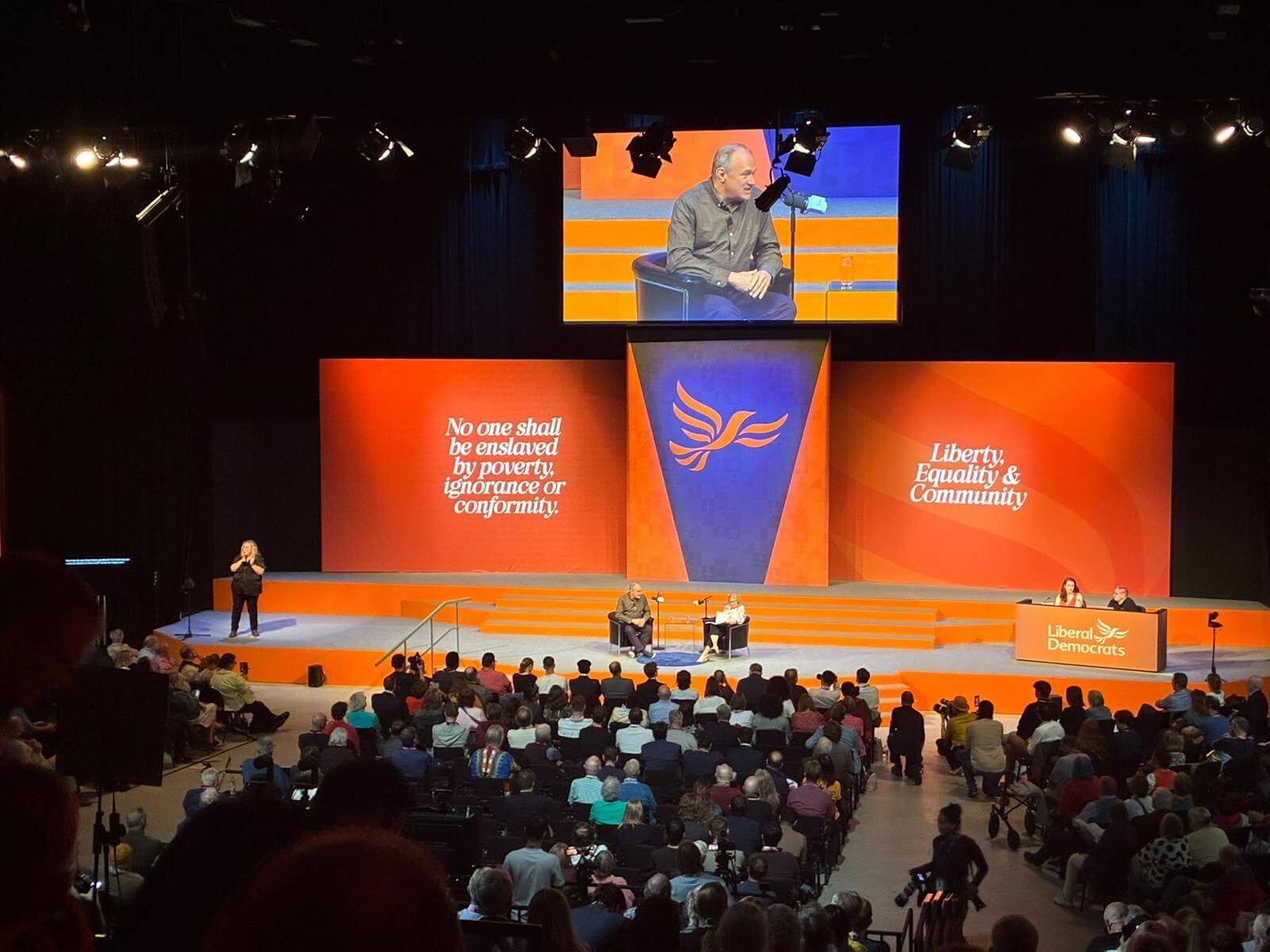
Liberal Democrats
Renowned for their pro-EU policy since the Brexit offset, the Liberal Democrats have pledged their tenure would ensure their long-term goal of re-entering the EU, citing the relationship restoration would help grow our economy, tackle the cost of living crisis and give more to schools, hospitals and the armed forces.
On the outside chance of the Liberal Democrats forming a government, the party has claimed they would:
- Join the single market and customs union
- Freedom of movement would be restored through the single market entry
This would essentially strive to turn the clock to pre-2016. Trade relations with EU and EEA members were consolidated, along with freedom of movement enabling smoother travel and defined trade agreements and regulations with our neighboring countries.
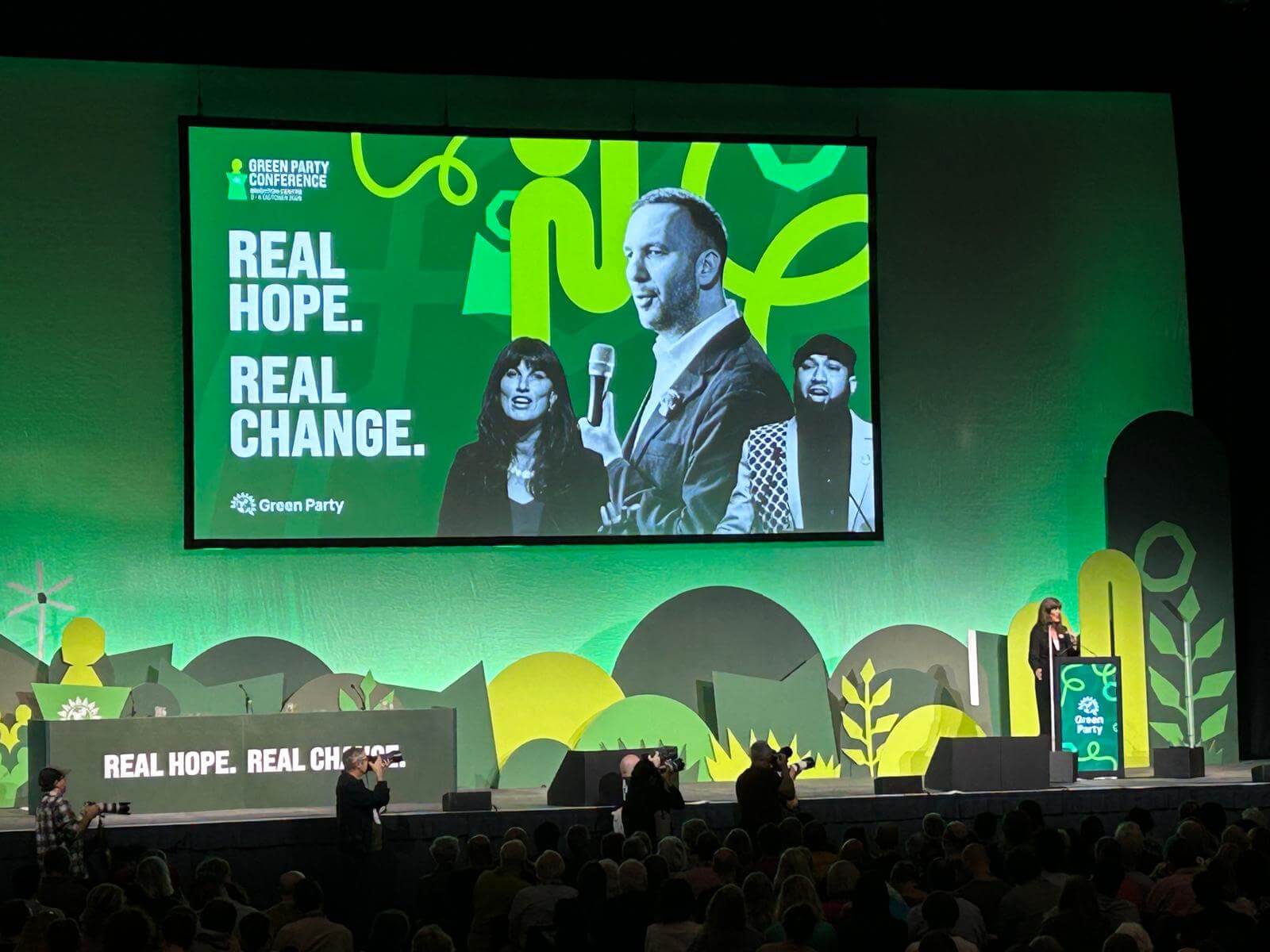
Green Party
Similar to the Liberal Democrats, the Green Party is the only other party to announce its aim to rejoin the EU. However, this does seem to come at a more delayed time, as it is dependent on “as soon as the political conditions are right”. Zack Polanski, leader of the Green Party, and Carla Denyer, former co-leader of the party, have highlighted the detriment leaving the EU had, describing the ending freedom of movement as ‘disastrous’.
While vague, for EU relations the Green Party would:
- Potentially rejoin the single market to enable access to freedom of movement – however this has been described as an ‘not an ideal long term solution’
- Rejoin the customs union
- If agreed within the party as the right time, seek EU membership
Unlike the Liberal Democrats, the Green Party has not set out a clear roadmap for rejoining the EU, such as first seeking membership of the customs union or single market. Therefore, the practical steps towards re-entry remain unclear, particularly as the party has proposed using citizen assemblies to help shape and legitimise decisions on the UK’s future relationship with the EU. However, its policies suggest a commitment to strengthening economic and political ties with the EU, including pursuing closer trade relations and restoring freedom of movement with European countries.
So…
To round up, among the political left, parties continue to favour closer ties with the European Union, with the Liberal Democrats remaining the most openly supportive of eventual re-entry. Meanwhile, Labour has firmly ruled out rejoining the EU, or associated agreements such as the EEA, in the near term. However, with the party’s pro-European wing and Andy Burnham’s likely new leadership, we cannot rule that out beyond the remaining Labour tenure. The Green Party has expressed a definitive intent to rejoin the EU. However, when that occurs, or even if it does with the use of citizen assemblies in the decision-making process, makes the transition and timeframe unclear.
On the political right, both the Conservatives and Reform UK maintain a clear commitment to Brexit, asserting increased national sovereignty, rejecting any return to EU membership or significant political integration. For the Conservatives, this stance is closely tied to their role in delivering Brexit, while Reform UK positions itself as an even stronger advocate of independence from EU institutions and regulations.
While only the Liberal Democrats have signalled definite intent to rejoin the EU, new Ipsos polling shows that 58% of voters would back rejoining the bloc in a hypothetical future referendum. 49% would back a new referendum after the next general election. However, support shows to be conditional as separate surveys find support drops (36%) if it means rejoining on the same terms before Brexit.
With support for closer EU integration increasing, it will be interesting to see whether party policies respond accordingly or if perspectives shaped by the ‘Leave’ and ‘Remain’ divide continue to dominate.