Job done for Rachel Reeves? Just about.
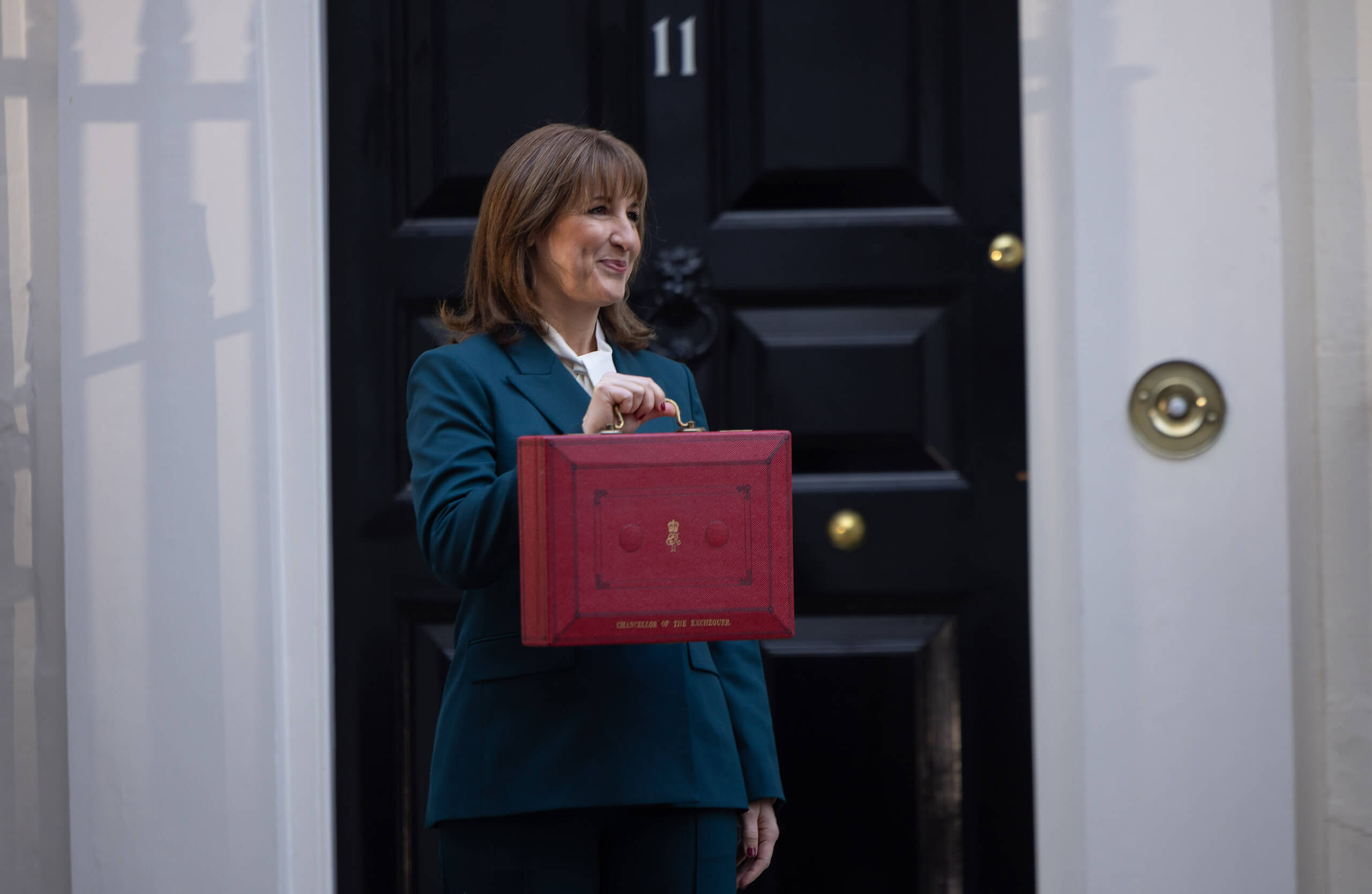
Image credit: “The Chancellor of the Exchequer leaves Downing Street to deliver the Budget” by HM Treasury, CC BY-NC-ND 4.0
Standing at the dispatch box, the Chancellor gave an unsurprising yet spirited Budget performance. Three months of flying kites and leaking policies meant that most of what was announced had already been priced in by the markets.
While figures including the former Bank of England Chief Economist Andy Haldane have claimed that all the pre-Budget speculation has damaged growth, Reeves’s performance may have gone a little way to justifying their actions. Borrowing costs down, the pound on the rise and the FTSE100 ending the day higher than when it started. On the whole, the markets will prefer Reeves to whoever her successor may be within the Labour ranks, should she get the can. Better the devil you know, eh?
But it wasn’t all sunshine and roses. The Office for Budget Responsibility (OBR), whose forecast was published in error ahead of the Chancellor’s speech, said growth would be 1.4% in 2026 and 1.5% in the following four years – all of which are downgrades from the forecast it made in March. In further drab news, inflation will be higher than expected this year, at 3.5%.
Here are some of the key headlines from the day’s smorgasbord:
Tax rises and revenue-raising measures
- Income tax thresholds to be frozen for three extra years until 2031, raising up to £13bn
- Gambling taxes increased, incl. remote gaming and online betting (£1bn+)
- 3p per mile tax for electric vehicles (£1.4bn)
- Capital Gains Tax relief for employee ownership trusts cut from 100% to 50% (£900m)
- Dividend, property income and savings interest taxes rise by 2p
- NI added to salary-sacrifice pension contributions above £2,000 (from 2029 = £4.7bn)
- Council tax surcharge on £2m+ properties (raising £400m), ranging from £2,500 to £7,500
- Uber/Bolt trips taxed under a new “taxi tax”
- Higher business rates on £500k+ premises (to fund small-business cuts)
Tax cuts and reliefs
- Fuel duty frozen until next September (costing £2.4bn)
- Cash ISA limit cut to £12,000 (except over-65s)
- Inheritance tax relief transferable 100% between spouses
- Stamp duty holiday (three years) for companies newly listing on the London Stock Exchange
- Business rates cut for small retail, hospitality and leisure
- Rail fares frozen for first time in 30 years
Household support and welfare
- Two-child benefit cap scrapped from 2026 (costing £2.3bn; 450k children lifted from poverty)
- State pension increase: +£440 (basic) and +£575 (new)
- Average energy bills cut by £150 from levy reductions; ECO scheme scrapped
- Luxury cars removed from Motability scheme
- Student loan repayment threshold frozen for three years
- Prescription charges frozen at £9.90
- Wage increases:
- Living wage £12.71
- Ages 18–20: £10.85
- Ages 16–17/apprentices: £8.00
Investment, public services and economic growth measures
- £300m for NHS tech
- 250 neighbourhood health centres planned by 2030
- Defence spending to 2.6% of GDP in 2027
- Under-25 apprenticeships free for small firms; £820m Youth Guarantee
- Additional devolved funding: NI £317m, Wales £505m, Scotland £820m
- £13bn flexible funding for regional mayors
Altogether, the measures announced in the Budget will mean that the UK’s tax burden will reach an all-time high of 38% of GDP by 2030-2031. While some households (particularly with lower earnings) may begin to feel better off, many other voters and most businesses will continue to feel the pinch.
So, what was missing? In short, this Budget centred on the theme of fairness, much more so than economic growth, representing a real departure from Labour’s previous approach and leaving a business community feeling rather underwhelmed.
The Confederation of British Industry (CBI) welcomed the £22bn of extra fiscal headroom created by Reeves, but warned the economy has ‘stalled’ and is stuck in ‘neutral’. It highlighted rising minimum wages and new limits on salary-sacrifice pension contributions as unhelpful pressures, especially with unemployment now around 5% – the highest level since the pandemic.
There will be disappointment too among many in the property sector, who hoped for new measures to stimulate the housing market (for example, a stamp duty holiday). Although the government confirmed it will look into a new type of ISA to help first-time buyers get on the housing ladder, no timescales were announced.
So, where does this leave Labour?
In placating their own backbenchers, Reeves and Starmer have done enough to secure their political survival, at least for now. This doesn’t mean to say we can expect to see an uptick in the polls – far from it – but policies like the removal of the two-child benefit cap, cuts to energy bills and a new mansion tax are evidence of a ‘Labour Budget’ with ‘Labour Values’.
In response, Leader of the Opposition Kemi Badenoch didn’t hold her punches. Very much on the front foot, she delivered a confident performance that will no doubt galvanise her parliamentary colleagues and cut through social media. That said, dismissing Reeves’s claims about misogyny in the run up to the Budget may leave others feeling cold.
Reform HQ will be fairly satisfied: Labour and the Conservatives are locked in combat, yet together they’re only polling a combined 35%, just a few points ahead of the party in light blue. Farage, who held his own press conference responding to the Budget this afternoon, will be relieved to see the allegations of schoolboy racial abuse begin to fade from the spotlight, albeit perhaps only temporarily.
And spare a thought for the poor person at the OBR IT department. A terrible blunder, releasing market sensitive information prior to the Chancellor’s speech. These things matter because, however frivolous a speech may appear to be, the performance, rationale and economic narrative a Chancellor gives are all ingredients which help to determine whether the year’s most important fiscal event can be judged a success. On this occasion, it didn’t cause too much market disruption, but the point is that it could have done.
Having faced down the perils of today’s Budget, heads will now turn towards May’s local elections, which are setting up to become the real litmus test for whether the Starmer government can sustain itself until the time of the next general election.
While today’s package of announcements haven’t made things materially worse for Labour, the party will need a significant turnaround to have any hopes of a political recovery.