The industry of influencing politics is a funny old game. It takes the most bizarre, archaic and eccentric elements of elected life, elevates the natural absurdity of the Westminster village and adds a necessary seasoning of commercial value.
For those navigating SW1, our brand of advocacy is a surprisingly modern invention compared to our transatlantic cousins. While Washington’s K Street machine can trace paid political advocacy almost to the birth of the American republic, Westminster has always been an entirely different kettle of fish. It was not until 1929 that the partnership of Watney & Powell evolved into what could today be recognised as the UK’s first true public affairs agency.
The mirror of 1929
The challenges faced by Watney & Powell and their peers ninety-seven years ago are striking in their similarity to the hurdles the public affairs industry faces today in 2026. They, too, witnessed the agonising death of a stable two-party system. When Stanley Baldwin’s Conservative government collapsed, Ramsay MacDonald’s Labour emerged from the ashes to form a fragile minority administration, one that was utterly reliant on the capricious support of David Lloyd George’s fifty-nine Liberal MPs.
This parliamentary paralysis occurred alongside a devastating economic shock. The Great Crash halved Britain’s exports and more than doubled unemployment, leaving the frontbench frozen in place and unable to command the legislature. Ideological factions tore at the mainstream from within, as the Independent Labour Party fiercely demanded a more state controlled economy with radical calls for “Socialism in our time,” whilst the ominous, meteoric rise of figures like Oswald Mosley threatened to upend traditional democratic norms entirely.
The modern fracture
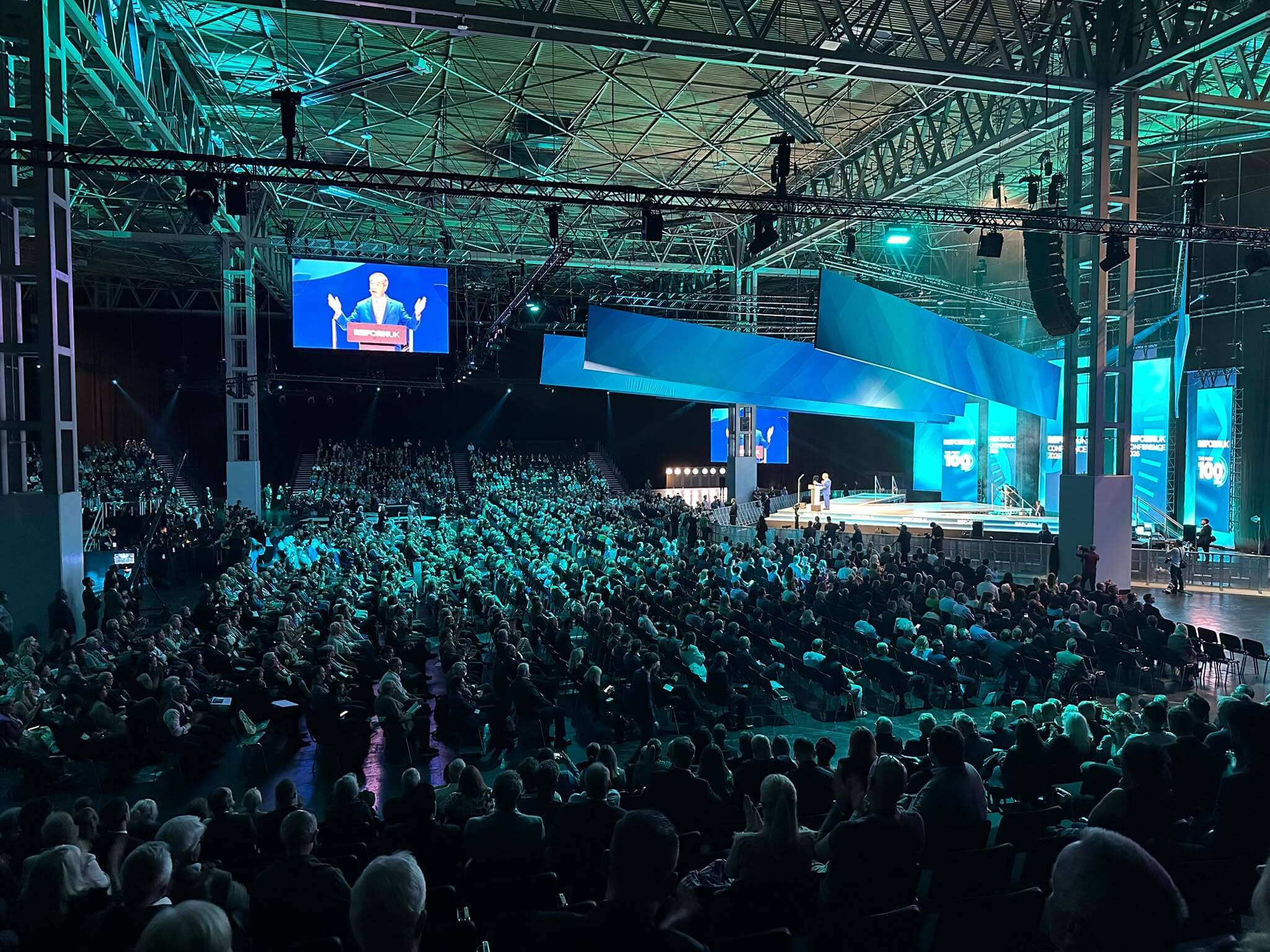
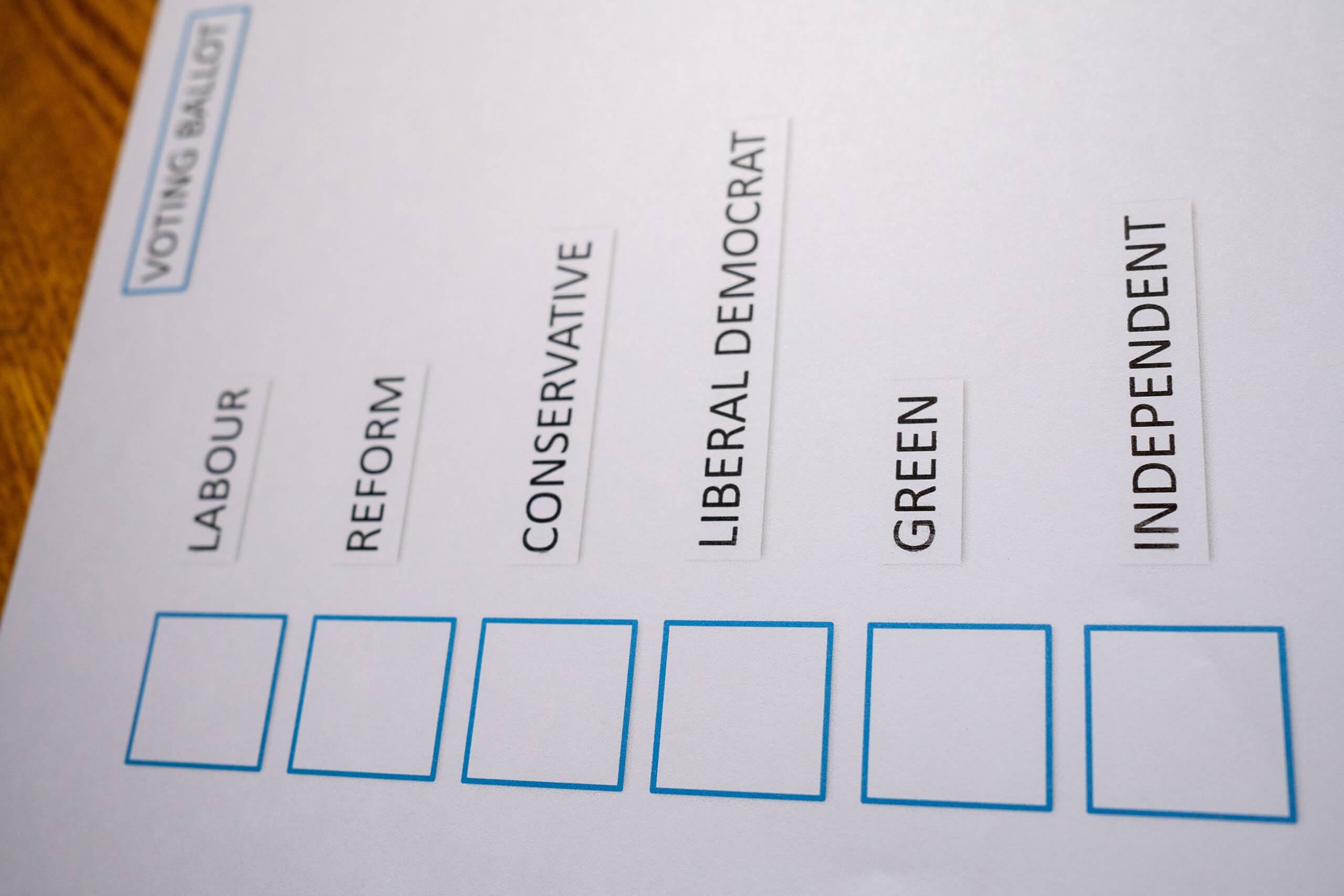
Fast forward to the present day, and the contemporary political landscape feels like history operating on a loop. We are currently witnessing the two mainstream parties start to submerge as the Greens and Reform UK surface as a potentially fatal existential threat to the established order.
We see a government going from weakness to weakness, trapped in the doldrums of a stagnating economy, with a Chancellor searching desperately in every nook and cranny of Whitehall for a shred of fiscal growth. When the frontbench is paralysed by its own insecurity and fire-fighting daily crises, power does not vanish – it naturally diffuses downward to the backbenches.
As we steadily approach the eventual dissolution of this Parliament, backbenchers are gripped by a distinct sense of frustration and helplessness. Yet, within that vexation lies an incredible window of opportunity for industry. Frustrated by frontbench inertia, backbenchers are increasingly being thrust into deep, meaningful engagements with businesses big and small alike. They are looking for answers the executive cannot provide.
Working alongside public affairs professionals, these backbenchers are realising that they hold the ultimate leverage. If they can muster a coalition of ideologically aligned colleagues big enough to exploit the government’s fragile discontent numbers, they can force the hand of the executive and fundamentally rewrite the legislative path.
Navigating the backbenches
In this fractured environment, the traditional corporate approach to political engagement becomes outdated. Fast.
For decades, major industries relied on a top down strategy, assuming that securing a meeting with a Secretary of State or a quiet word with a ministerial adviser was enough to guarantee regulatory success. In 2026, that assumption is a fallacy. A harried Minister can promise the earth, but if they cannot guarantee the compliance of their own backbenchers, that promise is worthless. Nor can anyone guarantee that they will still be in the role in three months’ time.
This is precisely why industry must employ specialised public affairs agencies who actively engage with backbench parliamentarians. Mapping the complex web of modern Westminster requires a highly sophisticated level of intelligence and relationships that in-house corporate affairs teams rarely have the resources to maintain. Agencies possess the unique ability to look beyond the frontbench and identify the quiet influencers, the factional ringleaders and the pivotal select committee members.
Building a successful backbench coalition requires a completely different vocabulary than traditional ministerial lobbying. While a government department looks at high level economic data and civil service feasibility, a backbencher looks at constituency impact, local jobs and ideological agreement. Public affairs agencies act as vital translators. They help industry reframe commercial objectives into compelling political arguments that resonate with the specific anxieties of backbenchers.
In an era where the executive branch is weak and unpredictable, waiting for the government to hand down policy is a strategy for failure. Industry needs partners who understand that the real engine room of Westminster has moved. To deliver policy today, you must employ those who know how to navigate, mobilise and win on the backbenches.