On 11 September it was confirmed that Zack Polanski, leader of the Green Party of England and Wales, would stand in as the party’s parliamentary candidate in the Holborn and St Pancras by-election taking place this Thursday (8 October). Polanski’s decision to stand also confirmed that the party’s annual conference, which took place in Brighton this weekend, would be overshadowed by events elsewhere. As it turned out, the by-election would continue to dominate the conference via the now-infamous party motion to declare zionism racist. The motion successfully carried against healthy opposition on the final day, 1022 delegate votes to 813.
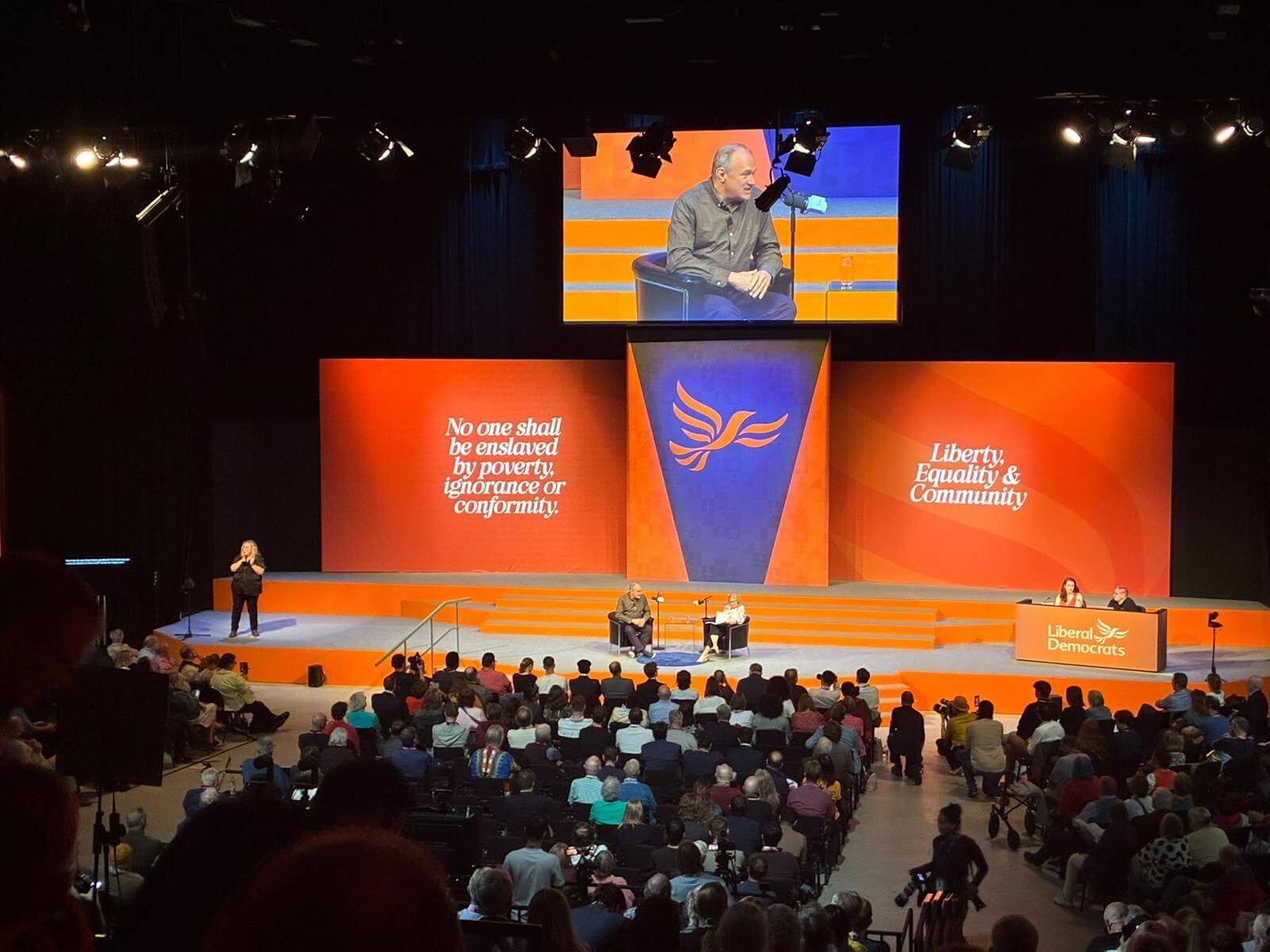
This felt like two conferences. The atmosphere in Brighton centre was quiet and controlled, a far cry from the media furore and protestors outside. “Hug trees not Hamas”, chanted one activist carrying an Israeli flag. The control was evidenced by the tight schedule of events, ensuring that the few fringe events didn’t clash with speeches in the main auditorium and the content of speeches themselves.
Then again, this is a party that celebrates difference, even if it means incubating opposing positions on core issues (note how close the anti-zionist vote was). The sense of control can only go so far, manifesting itself in split positioning. Case in point, who is the party’s greatest rival: Labour or Reform UK?
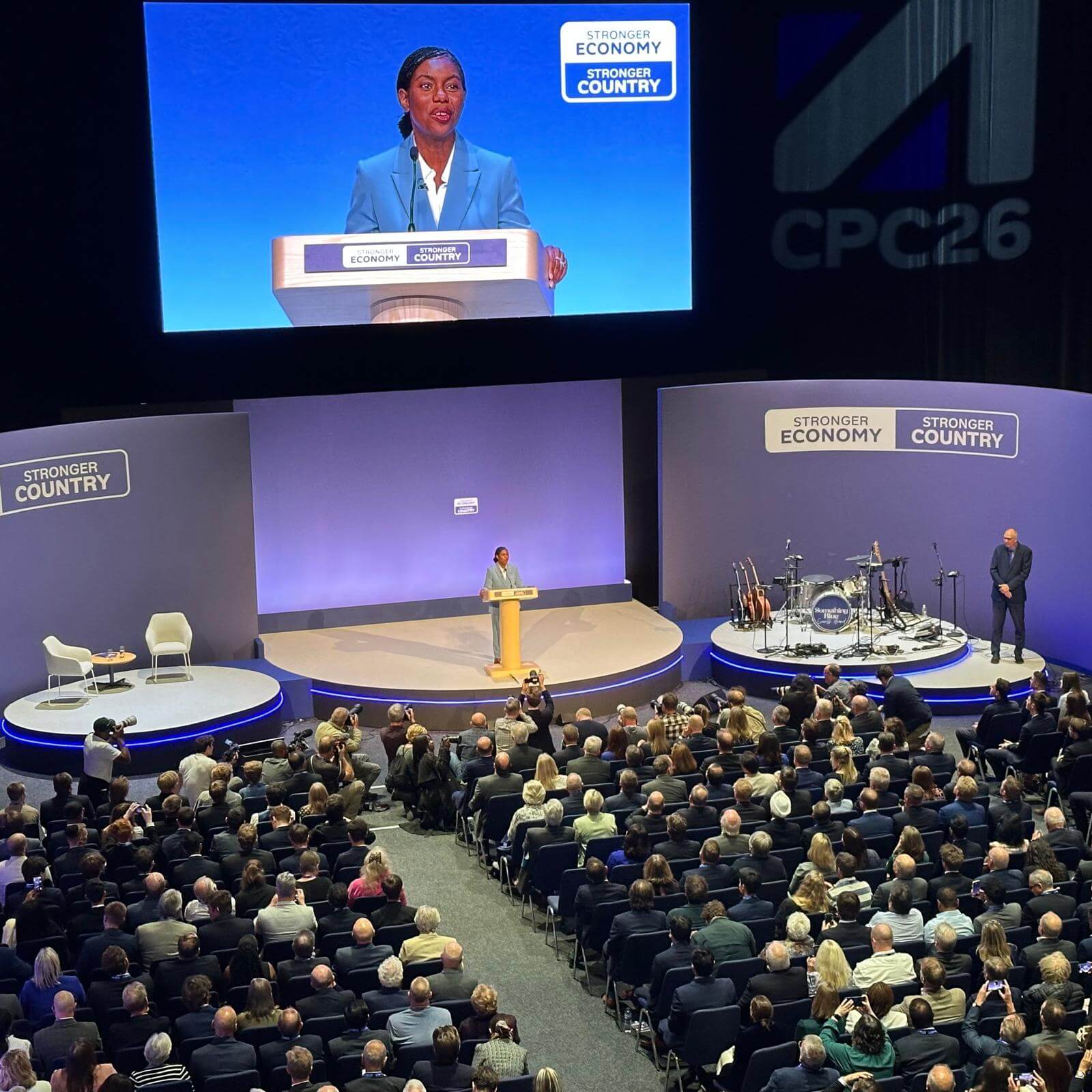
Deputy Leader and Leeds Councillor, Mothin Ali, arrived on stage for his speech on Saturday wearing his Palestinian keffiyeh draped vertically from his shoulder in trademark fashion, but that was as far as his views on Israel went. “I’m Brown, I’m Muslim, but I’m as English as a Yorkshire cup of tea,” he roared in a pointed reference to Reform UK’s equalities spokesperson, Suella Braverman, who had told a Question Time audience on Thursday: “I’m not an English person, I am of Asian origin”.
Ali received a loud cheer for expressing his mixed identity as he quickly transitioned to bigger themes. “That takes us to the deeper crises we face. In our democracy. Collapse of trust in our political institutions”, a reference surely to the record donations Nigel Farage has obtained. Ali’s preoccupation is with Reform, whereas Polanski is squarely focused on Labour.
Memorably, Polanski told delegates on Friday, the opening day of the conference, “Vote Green, and watch Labour move,” before racing back up to North London for more canvassing. “Voting Green, between general elections, is the most powerful vote you can make.” Commendably, this confused picture was openly examined in a panel discussion featuring the party’s first ever MP, former leader Caroline Lucas and Adrian Ramsey MP, from whom Polanski won the leadership just over a year ago.
The panel was nominally Reform UK-focused, but soon nestled into an election campaigning workshop. “A lot of the seats that we will target are not Labour-Reform seats. They are seats that Labour hold, and then they are Green second,” said a party strategist. Note that all 40 seats where the Greens came second at the 2024 general election were won by Labour candidates.
There was a palpable sense, though, that the Greens must play their part in vanquishing the right at the next election. Acknowledging that the winnable seats are in Labour’s metropolitan strongholds, Ramsey, whose seat, Waveney Valley, is distinctly rural, asked whether colleagues should play a “direct role in challenging Reform by fighting to win in seats that would otherwise be Reform?” The electoral logic suggests the former by some distance.
Ramsey’s rhetorical question is perhaps to be expected for a party that has come a long way. Once a prominent fringe party, notwithstanding a dip in the polls since Andy Burnham became prime minister, the Greens are a recognisable force in UK politics with 200,000 members and the biggest youth wing in Europe.
North Herefordshire MP, Ellie Chowns MP, provided a lengthy account of the various causes she is active on and the breadth of her portfolio, not to mention the many issues she addresses locally. She expressed her gratitude at being able to pass on education to Hannah Spencer, leaving her with just foreign affairs, including international development, constitutional affairs, defence and the small matter of the Treasury. Spencer, who became an MP in February, prefaced her own lengthy list of commitments by telling the audience what she has learned so far, chiefly her colleagues’ tremendous work ethic. “I knew they worked hard, but I’ve really seen with my own eyes just how much Green MPs do”, she told a packed room of activists.
This felt like a telling insight. Once upon a time, the Greens would be relied on to give passing comments on a range of issues with obvious environmental consequences that were broad without being vast. Even then there were hiccups. Who can forget Natalie Bennett’s ‘car crash’ interview on LBC over how the party would finance half a million social homes. Now they are assembling an entire shadow cabinet with just five MPs.
Perhaps the duality and confusion that I witnessed in Brighton can be best explained by the party’s growth spurt. While Burnham has seemingly closed down space on the left wing of UK politics, his administration, as Polanski has been eager to point out, will not resemble what Jeremy Corbyn once promised to voters on the far left. It is unlikely that Polanski will win on Thursday, nevertheless much remains to be done consolidating the party’s position, not simply on what it stands for, but how it presents itself to the public and the policies it develops. A housing panel I attended featured an impressive cast of experts from Ireland and continental Europe, but the discussion often centred on what’s happened in other jurisdictions, less the UK’s own daunting planning regime and structural challenges. This is a party with a lot of hard work still to do.