Just a decade ago, ‘nudge theory’ as it was commonly known, was the toast of policy wonks and campaign strategists alike. It promised to subtly reshape human behaviour not through coercion, subversion or propaganda, but with a gentle poke to our hearts (or, less kindly, our irrational brains). Want people to save for retirement? Activate opt-out instead of opt-in. Want voters to show up? Text them that their neighbours are voting, and they’re missing out.
It was the Jedi mind trick of policymaking and political campaigning: low-cost, high-impact, and science-y enough to make everyone feel smart. So… where did it go?
Because let’s be honest: if recent political campaigns are anything to go by, it seems nudge theory has either been ghosted, dumped for a louder partner, or is hiding in a cupboard waiting for a rebrand.
From Nobel Prize to no show
Richard Thaler, co-author of Nudge, won a Nobel Prize. Barack Obama had a ‘Nudge Unit’ and David Cameron actually used one. Indeed its architect, Steve Hilton, has hopped across the Atlantic and is hoping to nudge enough Californians to make him Governor. It looked like behavioural economics was going to guide us all into a new golden age of policy wisdom and voter engagement, in which psychology reigned supreme and irrationality wasn’t a bug, but the feature to be hacked.
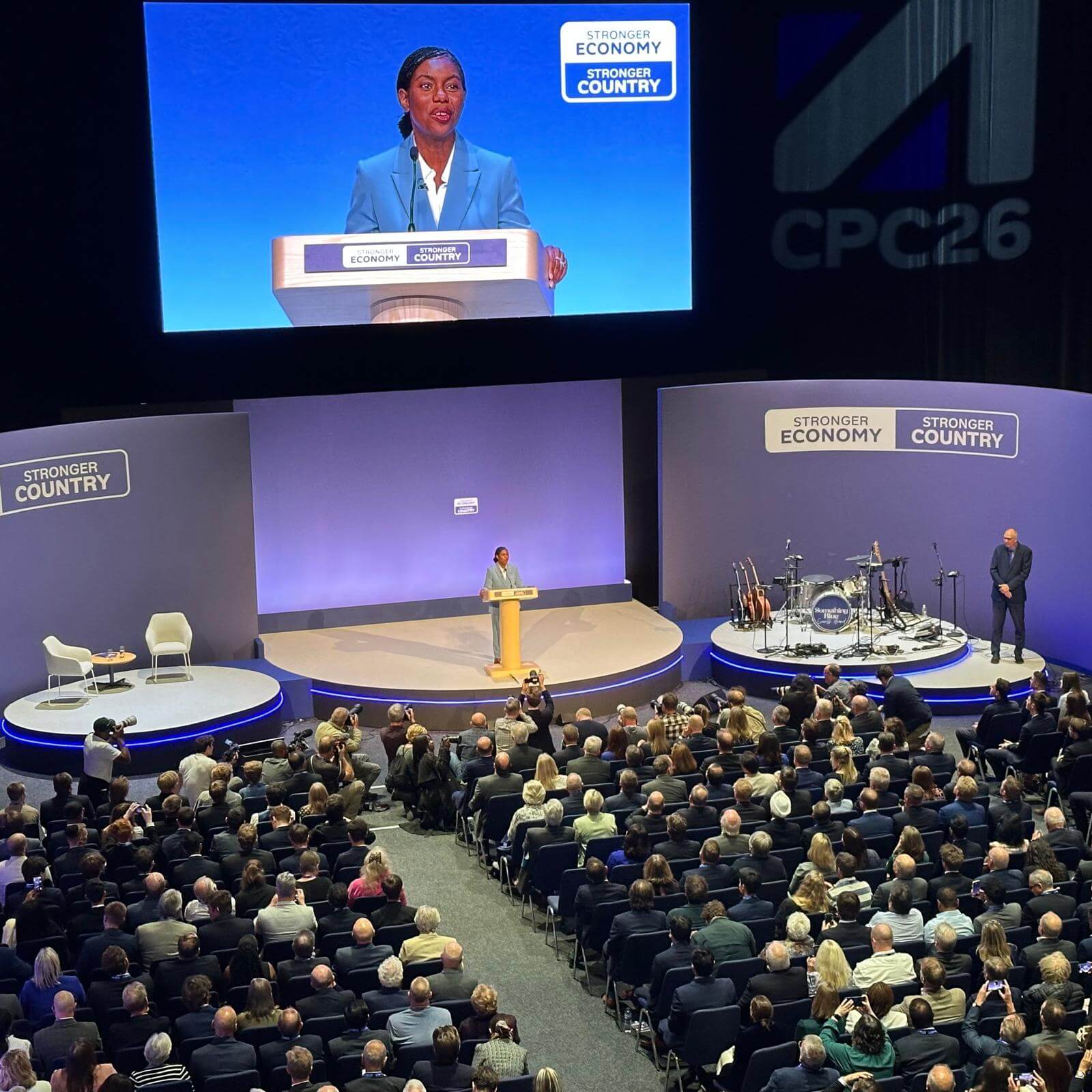
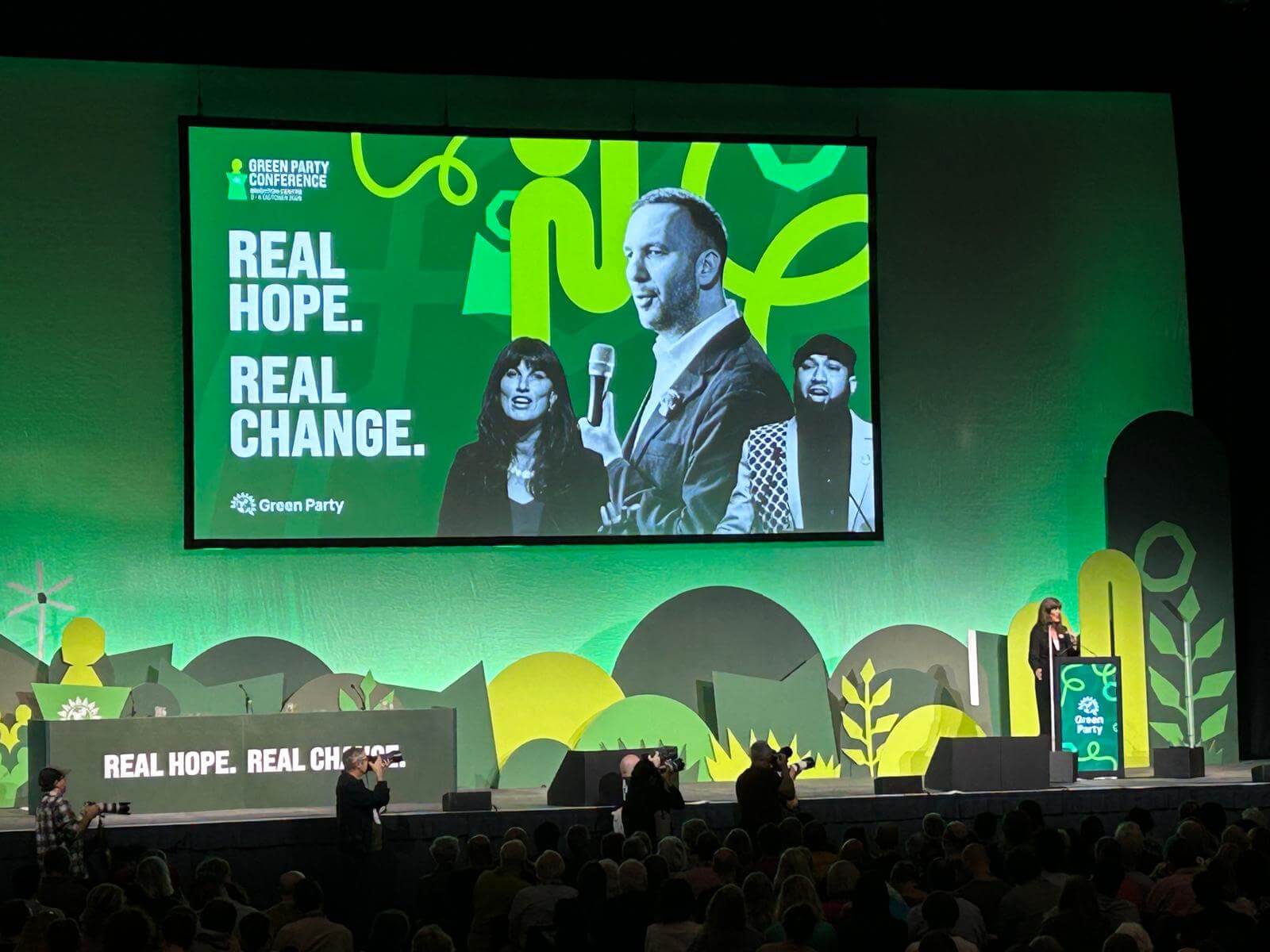
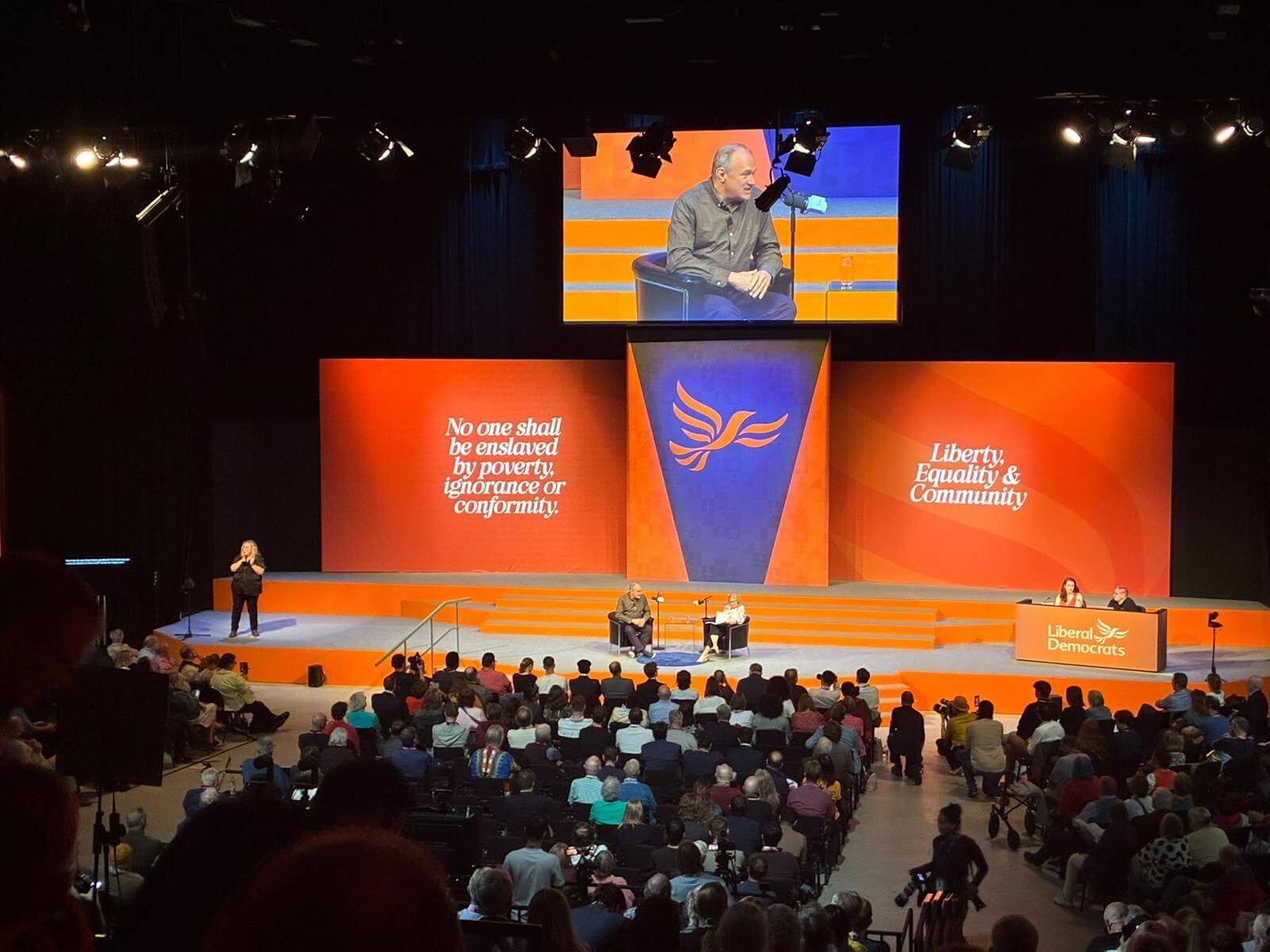
But in recent years, political campaigns have reverted to the blunt, forceful messaging of fear and outrage. It’s primordial. Some would say crude. Perhaps the algorithmic equivalent of dropping a proverbial dead cat into a crowded social media feed. Behavioural insights have been buried under a landslide of digital advertising, bot armies, and increasingly dystopian micro-targeting.
Nudging or shouting?
Part of the problem is behavioural economics is subtle. Strategic campaigns today are anything but. Modern politics is not designed to nudge, it’s designed to shove. It’s optimised for engagement, not enlightenment.
Take a stroll through the campaign ads of any recent election cycle and you’ll see very little nudging. You’ll see fear appeals turned up to eleven, conspiracies marketed as content, and outrage farmed like it’s going out of style. “Think about how your vote impacts school funding” has been replaced by “They’re coming for your kids!”
Let’s be real: subtlety doesn’t go viral.
The attention economy ate the nudge
Nudge theory thrives in a controlled environment, optimising pension forms or the user journey on a government website. But in the gladiator pit of modern politics, where every second of voter attention is auctioned off to the highest bidder, the environment is ‘Hunger Games’, not Harvard.
Behavioural economics is built on the concept that we can gently steer choices. But digital strategists discovered you can skip the steering and simply drive people off a cliff with an acceleration of clicks.
The incentives have changed. Political campaigns are no longer measured by long-term attitudinal shifts, but by next-day polling and donation spikes. Who has time for finely-tuned choice architecture when outrage works instantly?
Maybe it’s still in the machine?
That said, behavioural science hasn’t vanished, it’s merely been absorbed. It’s behind the ‘we noticed you haven’t donated yet’ guilt emails. It’s in the timing of text messages. It’s in A/B tests on fear versus hope, rage versus reassurance. But these aren’t the nudges we read about in the op-eds of fifteen years ago. They’re tactical, not strategic. They’re behavioural, sure, but could barely be described as ‘economics’.
Instead of nudging us toward our better angels, behavioural insights are being employed to make sure we don’t unsubscribe before we’ve donated.
What’s next?
Perhaps nudge needs a (re)boot – a v.2.0 that acknowledges the chaotic attention economy and the algorithmic monsters that roam the land. Or maybe it needs to go underground, gather its strength, and return with a vengeance (and a cooler name).
Whilst behavioural economics may have lost the campaign trail spotlight, the need for smarter, saner, and more human-centred political strategy is more urgent than ever.
Let’s hope the nudgers haven’t given up – or at the very least that they’re quietly working on a way to nudge us out of this mess…