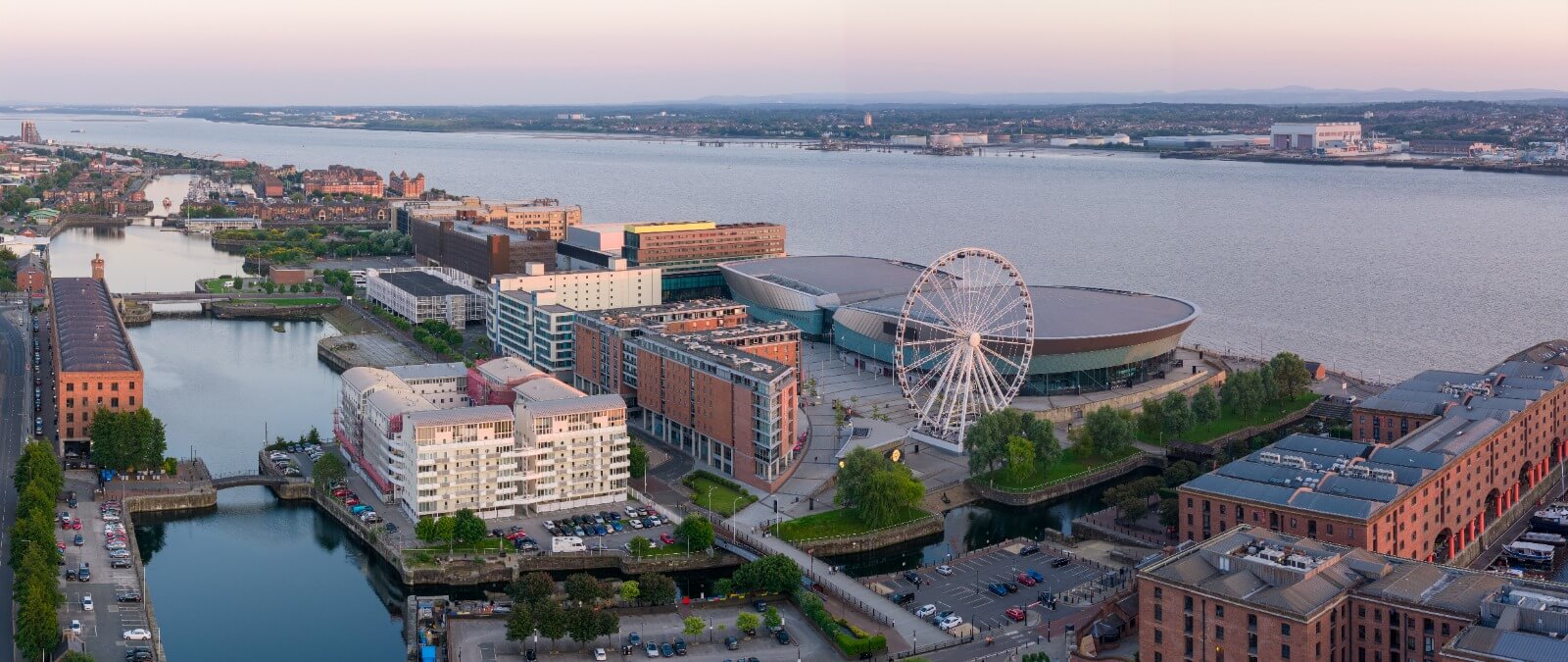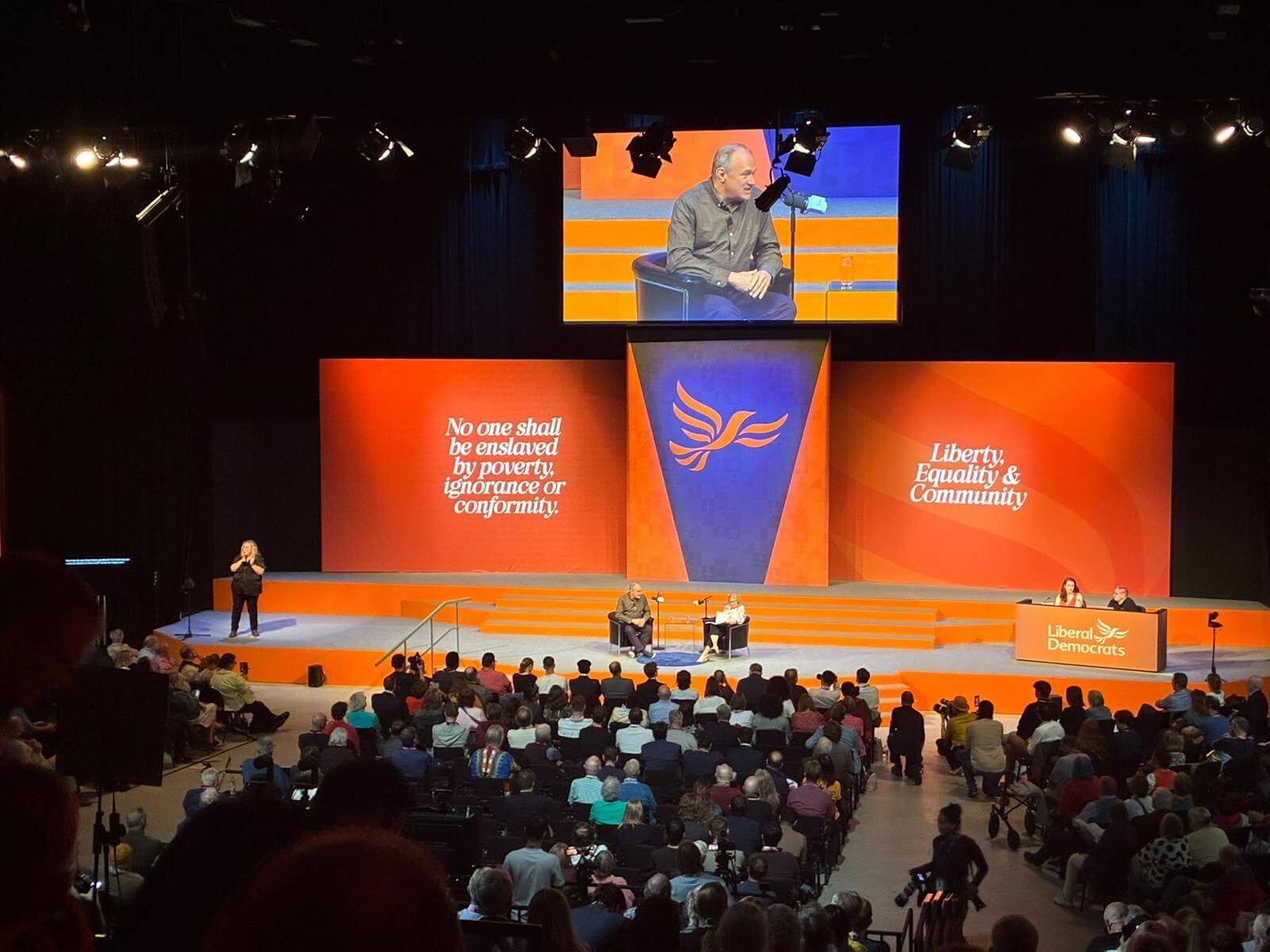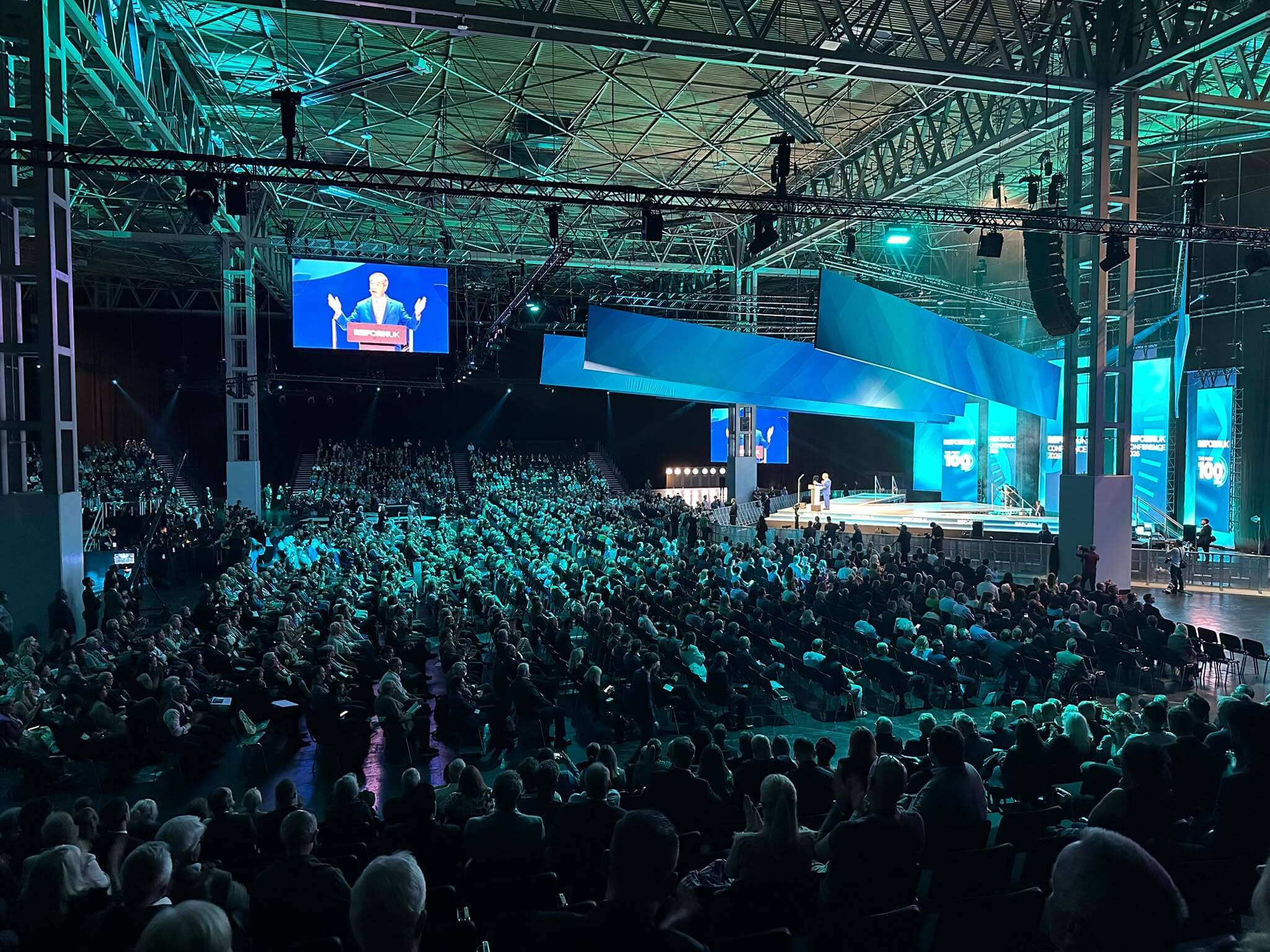
However, as the party gathers in Liverpool this weekend for its annual conference, there is growing acknowledgement that the former mayor of Manchester needs to be frank about the trade-offs required to deliver what we know of his vision. With the public purse under heavy strain from the bond markets, October’s Autumn Budget will bring the ultimate reckoning. Liverpool offers Burnham and his ministers a vital opportunity to establish a convincing narrative with the bond markets, but also crucially Labour members in attendance and UK businesses, and retain momentum.
Earlier this month, the Confederation of British Industry (CBI) published its ‘Room to Grow’ report, which highlighted inflation, national insurance contributions, high electricity prices, regulatory drag and an increasingly complex tax system as key obstacles facing businesses day-to-day. The menu for growth contrasts with Burnham’s view, expressed over the summer, that it should ‘go hand in hand with social progress’.
This kind of rhetoric helps explain why Burnham was the outstanding candidate to succeed Sir Keir Starmer as leader back in June. He has been able to translate party fandom into wider public appeal. In late August, his net favourability was +13. Starmer’s was -9 at the same stage in his premiership. Many Labour members will be hopeful of Burnham and his ministers piecing together a more detailed vision at this conference that coalesces around traditional Labour values without seeking to appease business.
However, as ever, the distinction between the hopes of the Labour Party and the private sector is more nuanced. Three interrelated dynamics are at play. First, the UK is increasingly under pressure from the bond markets. Whatever emerges at this conference and the ensuing Budget on 28 October will need to assure markets of a decent fiscal buffer. Secondly, it is incumbent on this administration to deliver growth. Thirdly, Burnham and his strategists will need to develop a narrative that registers positively with MPs and members that can realistically take votes off Reform UK and get Labour up to the 30 per cent mark in the polls.
The party is currently tied with Reform at around 23 per cent. Burnham’s speech to the party faithful will be the single clearest indication of how the Labour leadership plans to align these opposing forces. A large contingent of College Green Group (CGG) colleagues will be attending successive panel discussions and receptions, not to mention late night networking sessions, to discern where the real points of tension are between the party and the business community. This is what we know for the time being.
‘In hock’ to the bond markets
‘We’ve got to get beyond this thing of being in hock to the bond markets’, Burnham, then mayor of Manchester, declared at a fringe event at last year’s conference. Since becoming prime minister, Burnham has pivoted, at least partially as the UK’s borrowing costs have risen to their highest level since 2007. The interest on 30-year gilts has risen to just under 6 per cent, the highest in the G7. In a landmark speech on 7 September, Chancellor Healey asserted that ‘fiscal credibility is indivisible from growth’.
The Resolution Foundation estimates that the Chancellor’s fiscal buffer has now shrunk from £24 billion to £8 billion. The question is not whether the UK is in hock to the bond markets, but how it will weather the siege. Do Burnham and Healey raise taxes to recoup the fiscal buffer? Or are they contemplating a larger package, vindicating former Bank of England chief economist Andy Haldane’s comments last week that financial markets view this administration as a ‘traditional tax and spend socialist government with better TikTok videos’? Haldane also said that Labour’s reluctance to reduce spending was its ‘Achilles heel’.
A significant mitigating factor against big-state policies is the electoral mandate bequeathed to Burnham via the 2024 Labour manifesto that effectively bars him and Healey from raising VAT, income tax, employee National Insurance and corporation tax. It is perhaps unsurprising, therefore, to learn that HM Treasury is reportedly considering raising capital gains tax to 45 per cent and lowering the mansion tax threshold from £2 million to £1.5 million. Businesses will be anxious to see what else is revealed during the conference.
Deregulation and growth
Burnham is intent on ‘re-industrialising Britain, using public procurement to back British industry.’ However, given the size of UK debt, 94 per cent of GDP, and the rising cost of servicing it, this traditionally popular option with Labour leaders is largely off the cards. In its place has been that familiar promise, deregulation.
In his growth speech earlier this month, the Chancellor set out plans to ‘reduce the burden of business regulation by 25 per cent’ by the end of Parliament while extending judicial review reforms to all major infrastructure so that ‘vexatious litigation cannot block economic growth.’ Businesses can expect additional assurances along these lines; meanwhile, the party at large will be content to see yet another Chancellor limit themselves to a deregulation agenda that does not compromise on Labour principles, such as workers’ rights.
A firm diagnosis of the structural flaws in the UK economy may have invited such compromises. They would have also provided a platform for the party leader to chart a route to a fairer growth that encompasses major social and technological challenges, such as young people not in education, employment or training (NEET), all 981,000 of them, and artificial intelligence.
The search for an eye-catching narrative
So how will Burnham create that compelling narrative to encourage more public backing when he is hamstrung from borrowing and his growth plan lacks a radical edge? One option would be to drill for oil and gas in the North Sea, ring-fencing tax revenues from hydrocarbons for devolved authorities, particularly in the North.
For the purpose of this blog, let us treat this possibility as a proxy for an announcement that signals to both Labour’s industrial heartlands that the party under Burnham has their interests at heart, opening up a new front with Reform UK. This would signal to industry that while fiscal policy may be far from benign from their perspective, other conditions, not just the regulatory regime, will improve.
Such a move would be in Burnham’s electoral interest. A bitter pill will be easier to swallow for Labour members and MPs if it upends Nigel Farage’s chances of forming a government.
The safe option on 29 September would be for the journeyman Burnham to tell a personal story in his home town, receive the customary standing ovation and move on. But an opportunity to jump ahead in the polls ahead of a problematic Budget will have been missed.