The political landscape of the United Kingdom has undergone a significant transformation, with new and previously smaller political parties enjoying a larger slice of voter support, but will that last the test of a general election?
While smaller parties on both the right and left are enjoying sustained support in the polls, the question remains: when the chips are down at the ballot box, will voters return to the status quo of a two-party system by voting for the largest party on their side of the political spectrum, or is the multi-party landscape here to stay?
But there’s a third possibility, one that may override voter intentions altogether: formal coalition governments, negotiated behind closed doors rather than chosen by the ballot.
The right: Fractured former colleagues seeking unity?
On the right of the political spectrum, the dynamic is particularly volatile. The Conservative Party, still reeling from its election defeat in 2024, faces an existential threat from Reform UK. Under the leadership of Nigel Farage, Reform has successfully peeled away a significant portion of the traditional Tory base – but is it keeping them? Reform has been shifting up and down in the polls and the individual popularity of Nigel Farage has been consistently dipping.
Complicating matters further, Restore Britain, launched by Rupert Lowe after his break from Reform, is now competing for the same voters. Restore is carving out its own piece of the pie among voters on the right, having secured 8.7% of the votes in the Manchester Mayoral election. While not enough to tip that election, it would be significant if replicated in some marginal seats. This could be enough to force Reform and the Conservatives into some concessions. Restore’s election results have galvanised Rupert Lowe into publicly offering Nigel Farage an election pact, conditional on Reform adopting certain policies. Farage responded by declaring Reform “open” to cooperation. Though the exchange has descended into an online fracas, it marks a notable shift from two figures who had appeared past the point of working together.
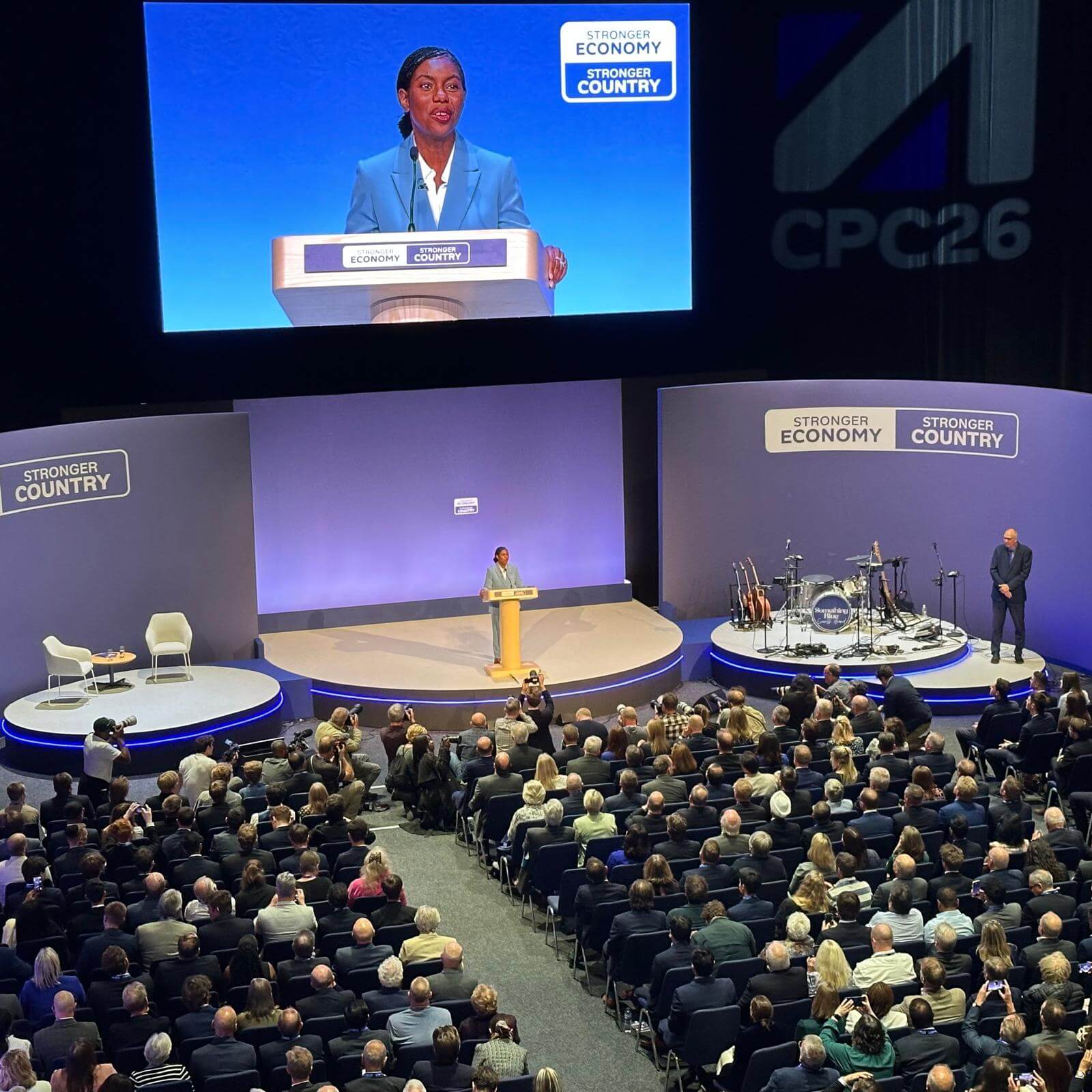
The question now is whether these fractured segments of the British right will continue to compete or find a way to cooperate. Publicly, the rhetoric remains combative. Conservative Leader Kemi Badenoch has consistently ruled out any national-level pact with Reform UK, insisting that the Conservatives must win back voters by offering “authentic Conservatism.”
However, beneath the surface slogans, pragmatism is taking hold. The reality of vote-splitting, which cost the Conservatives dearly in 2024, is a powerful incentive for cooperation. Following the May 2026 local elections, we have seen Conservative and Reform councillors forming local administrations together. By not blocking these local alliances, Conservative Party HQ is allowing a pragmatic approach to win out over ideological purity.
Whether this creeping cooperation leads to a formal national merger, an informal non-aggression pact, or continues as fierce competition remains to be seen. But the pressure for some form of alignment on the right is undeniable, particularly if Andy Burnham can continue Labour’s growth in the polls.
The left: Tactical voting stealing election glory
The fragmentation is not confined to the right; the left is also experiencing shifts in voter behaviour. The most notable trend is the movement of Green Party voters towards Labour to block right-wing candidates.
The recent election results in Makerfield provided a stark illustration of this dynamic. Both the Green Party and Liberal Democrats lost significant vote share as left-leaning voters tactically pooled their support behind Andy Burnham and Labour to defeat Reform UK.
This pattern repeated itself in the 2026 Manchester mayoral by-election. When the contest came down to a two-horse race between Labour’s Bev Craig and Reform UK, left-wing voters overwhelmingly backed Labour, with other left-wing candidates losing vote share while Labour increased theirs.
While these remain isolated examples, tactical voting by left-wing voters could scale up dramatically in a general election to see off right-wing candidates. This raises a critical question for Labour: are these tactical voters a durable coalition, or a temporary dam against the right? Voters motivated by fear rather than conviction are notoriously fickle. If Labour wins on a ‘stop Reform’ message, governance on that same anti-platform will quickly reveal cracks and prove untenable in the long term.
Is a coalition inevitable?
For decades, the UK’s political system has long been dominated by two major parties, but that era may be at an end. The electorate has proven willing to lend its support to smaller parties that either closely align with their specific values or offer a clearer alternative to the status quo; at certain elections.
As we look towards the next General Election, an increasingly possible reality is beginning to dawn on both Labour and the Conservatives: outright majorities may become a thing of the past. It is highly probable that complex coalition agreements will need to be negotiated for either side to form the next government.
We are already seeing the groundwork for this reality being laid.
Despite fierce public rhetoric ruling out national pacts, Kemi Badenoch’s quiet acceptance of local council coalitions with Reform UK suggests a growing recognition that survival and influence in a fractured political landscape require compromise.
The era of strictly tribal politics may not be entirely over, but the lines are undeniably blurring. The tactical alliances and local non-aggression pacts being considered and tested now may serve as the foundation for the next Parliament.
We might be entering a period where the ability to negotiate and hold together agreements will be the ultimate decider of who governs the country.