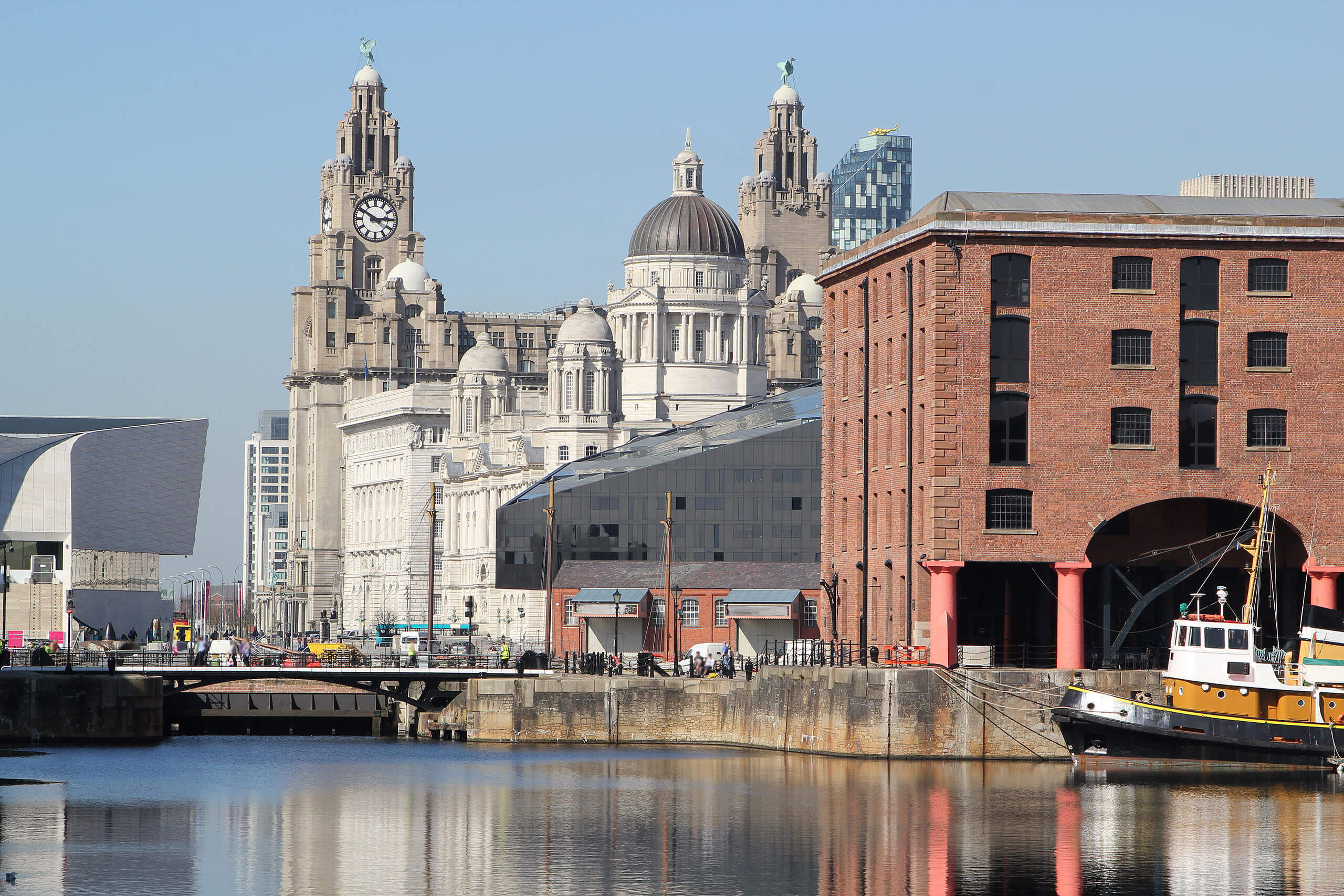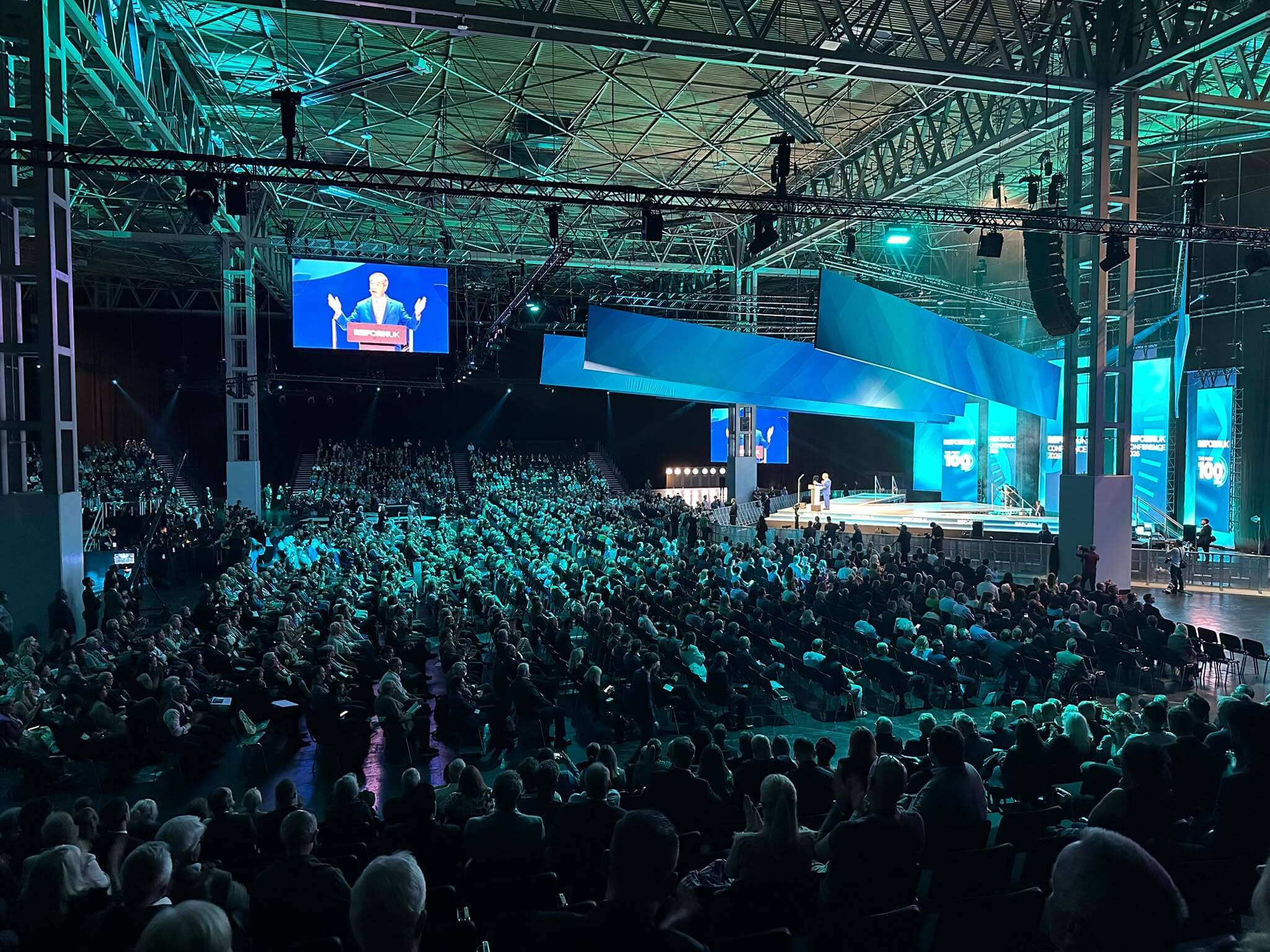
‘Hope’ is defined by the Cambridge Dictionary as ‘to want something to happen or to be true, and usually have a good reason to think that it might’. As politicos from up and down the country descended on Liverpool on Sunday, hope was the message Andy Burnham and the Labour Party sought to convey.
A new leader, a new cabinet and a new vision.
That vision was set out most clearly in the leader’s speech on Tuesday afternoon. Proposals announced included a new National Care Service, adjustments to the triple lock, greater public control of water, housing and energy, closer ties with Europe, as well as reforms to the electoral system. Taken together, they offered a clear indication of the direction in which Burnham intends to take the party.
As well as a significant amount of policy substance, there was a real emotional charge to Burnham’s address, with a mixture of optimism, pride and defiance running throughout. Having lost his father just two weeks earlier, Burnham drew on the upbringing he was given by his parents to set out the kind of Britain he wanted to see. He was not simply setting out a programme for government, but attempting to convince a party that has spent much of the past year grappling with the realities of power that there is still something to hope for.
This certainly landed with the party faithful, with genuine emotion etched on the faces of many cabinet members in the conference hall. The response from journalists and commentators was similarly striking, with the speech receiving widespread praise for its emotional force and political ambition.
It also offered a marked contrast with the approach taken at previous Labour conferences under Keir Starmer. Where Starmer’s speeches often focused on the practicalities of government and the challenges facing the country, Burnham’s was much more explicit about the kind of country he wants Britain to become.
It was also notable that despite speaking for just over an hour, Burnham did not mention Kemi Badenoch or Nigel Farage once. Instead, he kept the focus firmly on his own political vision, demonstrating a sense of self confidence and reinforcing his desire for a ‘problem solving, not points scoring’ approach to politics.
So, in terms of the first part of the definition of hope, ‘to want something to happen or be true’, Burnham’s speech certainly delivered. But what about the second part: ‘having a good reason to think that it might’?
John Healey’s speech provided something of a reality check.
Whilst Healey embraced the same language of hope, using the word 21 times to be precise, he did it with a significant qualification. For the Chancellor, hope has to be ‘earned’: through ‘fiscal discipline, through good work and through strong industries’. He was also frank about the constraints facing the government, with perhaps the most notable line of his speech being that ‘the money New Labour had in the 90s is simply not there now’. This did not come as much of a surprise to anyone, but served as a strong reminder that, amidst all the vibes, there are difficult times ahead.
There were, however, some tangible measures behind the rhetoric. Healey highlighted plans to use increased defence spending to support British industry, including £6 billion of contracts for British shipyards. He also announced new local apprenticeship teams, overseen by regional mayors, which will match businesses with young people looking for work.
With the Budget now just weeks away, the speech felt like a warning about the difficult choices the Treasury will have to make. Attention will now turn to what those choices might look like, with potential changes to capital gains tax, inheritance tax and the proposed mansion tax under discussion. These decisions will provide an early test of how the government intends to balance its ambitions with the fiscal constraints Healey set out in his speech. For a party that has spent much of the conference talking about a more ambitious vision for Britain, the Budget will offer a first indication of how much of that vision can realistically be delivered.
The challenge now for Burnham will be to ensure that the optimism of Liverpool can withstand the realities of governing, and it is here that the second part of the definition of hope will be tested – whether people have good reason to believe that the future they have been promised might actually become a reality.